Actor rehearsal library
Find the right rehearsal method
Start with the problem you have today: lines that will not stick, no reader, fresh audition sides, or a self-tape that needs another voice.

Choose the job in front of you
These guides are built for real preparation. Each one gives you a practical method before it introduces the app, so you leave with a better rehearsal even if you are not ready to download anything.
GuideHow To Learn Lines Fast
A six-stage cue recall method with an embedded private cue-response exercise, spaced tests, spoken runs and a direct Action workflow.
Open guide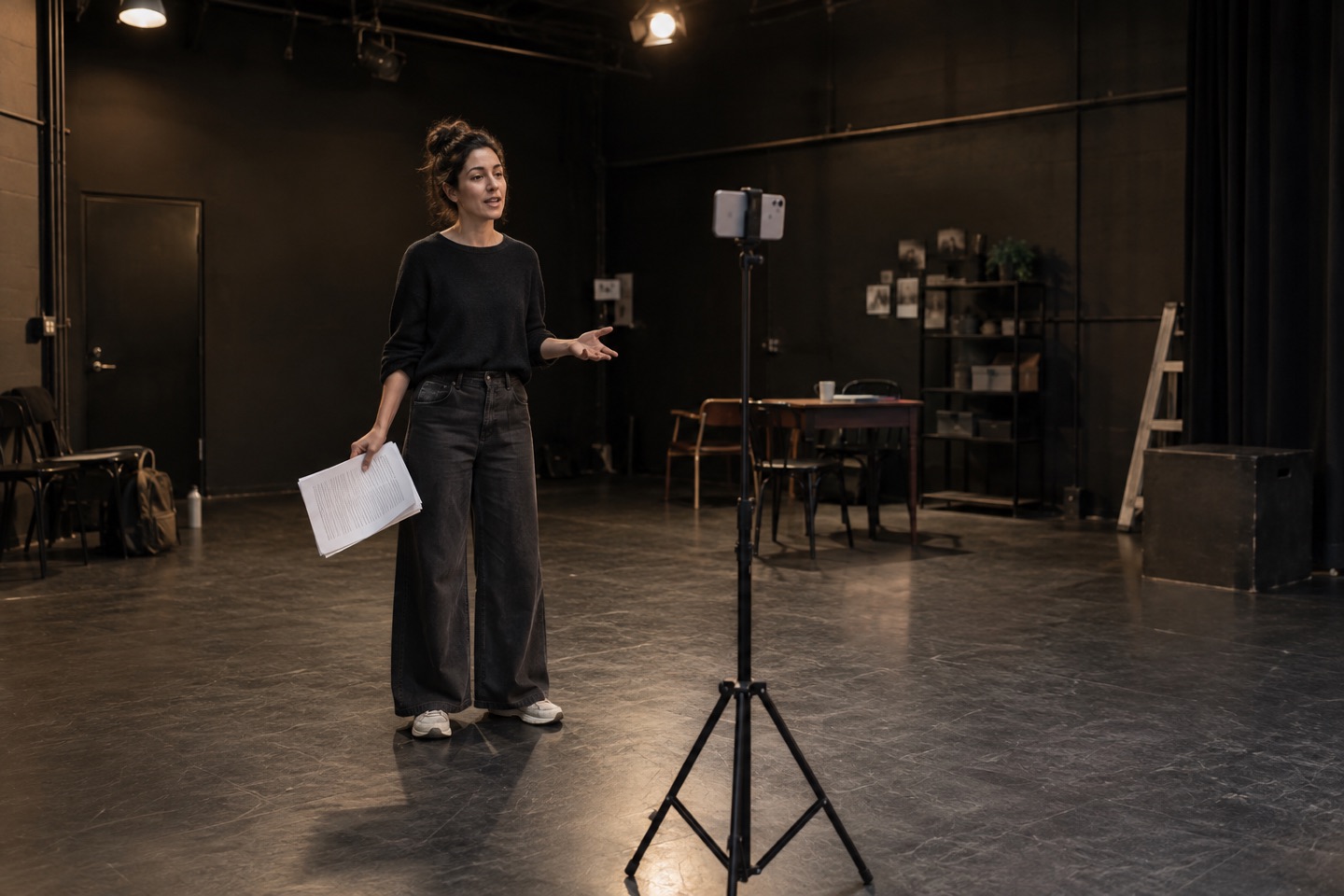 Guide
How To Rehearse Lines Alone
A four-pass solo rehearsal routine that separates preparation, recall, variation and an uninterrupted run.
Open guide Guide
Ai Scene Partner For Actors
A practical explanation of listening, cue timing, variation and the limits of digital rehearsal, with setup checks and a cue recall exercise.
Open guide Guide
Script Rehearsal App
A real-scene test framework with a worked pause, correction and restart exercise, plus text-extraction troubleshooting.
Open guide Guide
Line Learner App For Actors
A feature checklist, an original cue-recall test and a 20 minute routine built around cue response pairs and varied delivery.
Open guide Guide
Self Tape Without A Reader
Reader options, a two-device layout, an original practice scene, audio troubleshooting and a submission checklist.
Open guide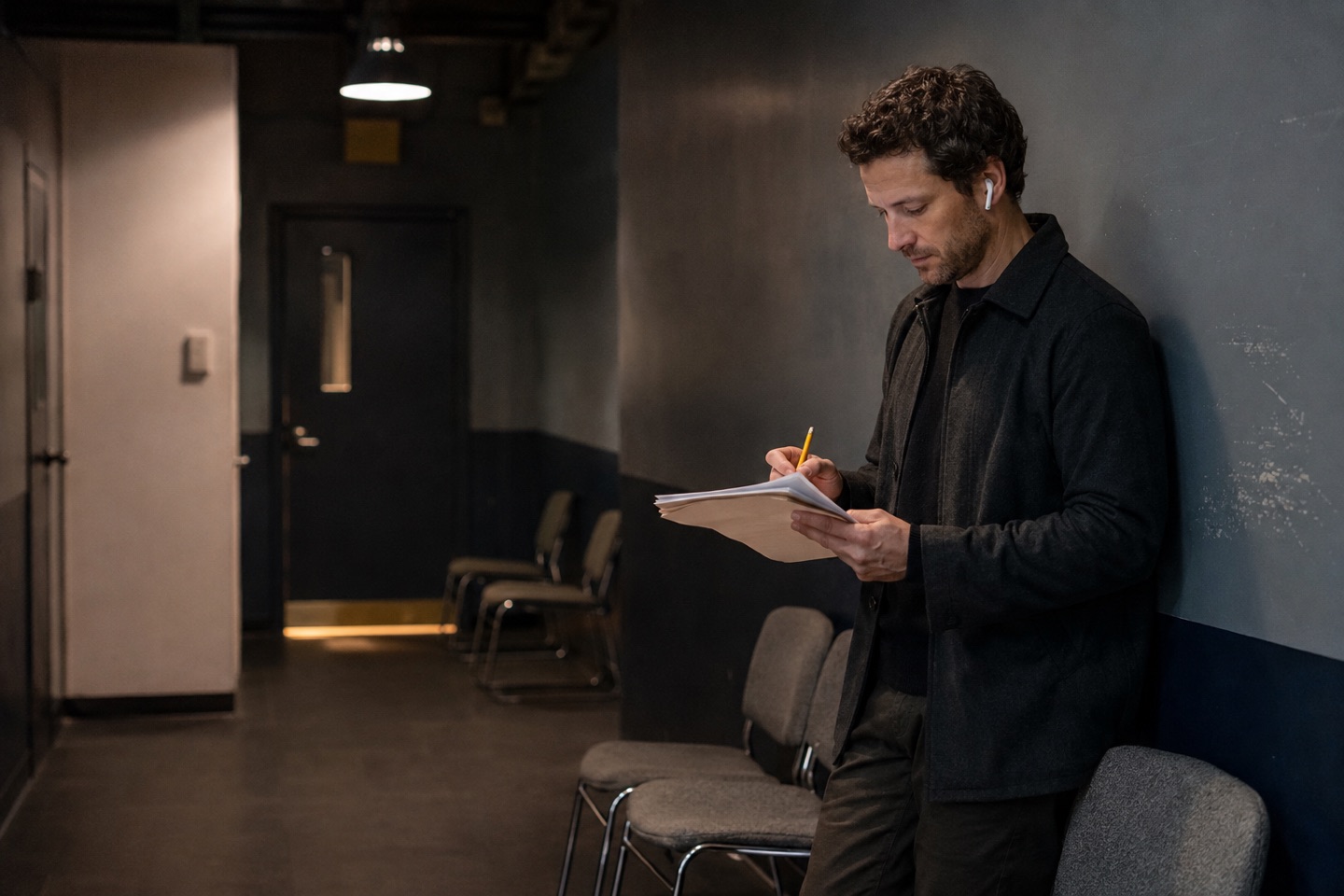 Guide
Practise Audition Sides Alone
A focused workflow for brief facts, objective, beats, cues, three runs and one adjustment.
Open guide Guide
How to extract one character's lines from a script
Create a clean dialogue report without losing the cue, scene heading or original page reference you need for rehearsal.
Open guide Guide
How to find every scene for a character in a screenplay
Build a reliable scene list from the PDF, then catch the silent appearances and name variations an automatic extract can miss.
Open guide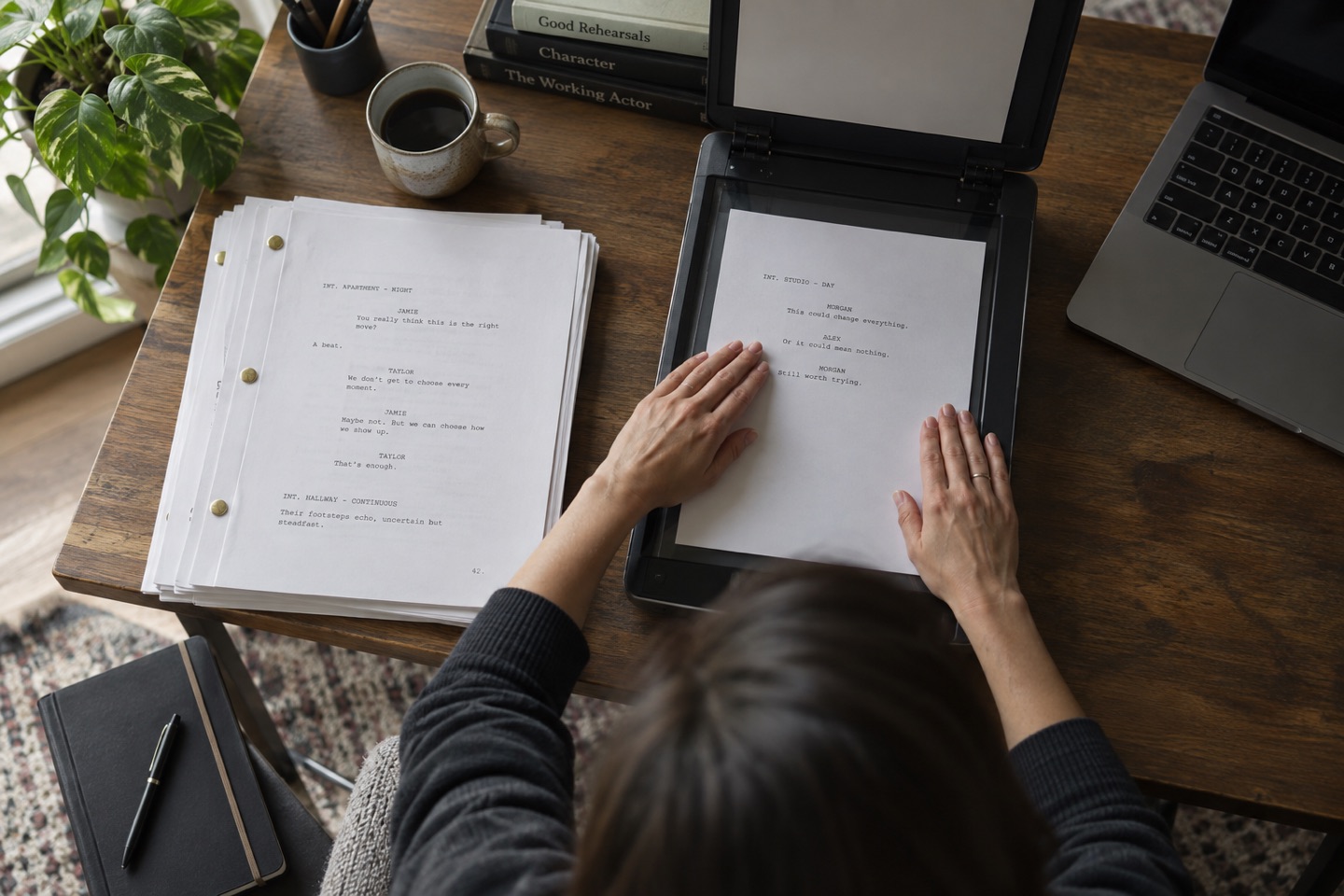 Guide
How to prepare a script PDF for reliable rehearsal
Check searchable text, page order, character cues and confidentiality before importing a script into any rehearsal tool.
Open guide Guide
How to stop forgetting lines when the scene starts
Find the exact point where recall fails, rebuild the cue connection and practise recovering without abandoning the scene.
Open guide Guide
How to break down audition sides without overthinking them
Separate facts from guesses, find the scene turn and leave yourself with a few playable choices you can actually test.
Open guide Guide
How to practise acting at home without rehearsing bad habits
Use a short weekly rotation to train observation, text, listening, voice and camera awareness between sessions with other people.
Open guide Guide
How to memorise a monologue by thought, not rhythm
Build the speech from changing thoughts and clear restart points so the words remain flexible in performance.
Open guide Guide
How to learn lines overnight when the deadline is real
Triage the scene, secure the cue chain, sleep and test recall in the morning instead of repeating until nothing is going in.
Open guide Guide
How to remember cue lines and know exactly when to speak
Connect every response to what changes in the other character's line, then test the chain with varied delivery and random starts.
Open guide Guide
How to rehearse emotional scenes alone without forcing a result
Keep the other person, the action and the scene turn in focus while protecting enough energy for another truthful run.
Open guide Guide
How to rehearse comedy timing without memorising the pauses
Protect the thought and cue pickup first, then test pace, interruption and silence without signalling where the joke lives.
Open guide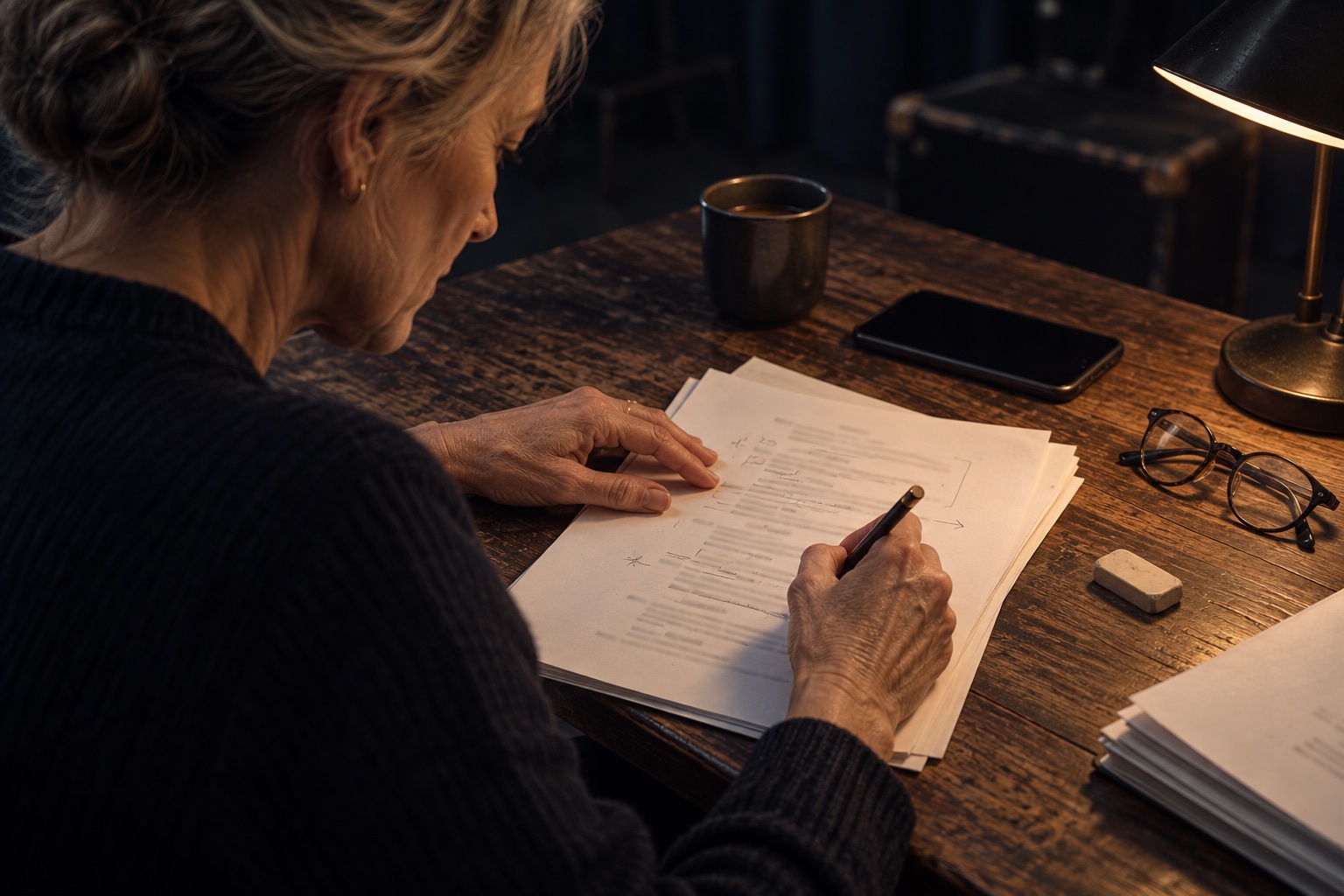 Guide
How to mark up a script for acting without burying the scene
Use four kinds of mark for facts, cues, turns and revisions so the page supports rehearsal instead of dictating a performance.
Open guide Guide
How to learn lines without sounding rehearsed
Separate accurate words from fixed delivery, then test whether the scene survives different cues, actions, tempos and starting points.
Open guide Guide
How to slate a self-tape
What to say, where to look and how to check your slate against the brief, with a short example you can adapt.
Open guide Guide
How to be a good self-tape reader
Help an actor record a usable scene with clear cues, a steady eyeline and room to respond. Includes a short reader exercise.
Open guide Guide
Scene study when your partner cancels
Prepare your share of the scene, keep shared decisions open and arrive with something useful to test when your partner returns.
Open guide Guide
How to learn an understudy track
Keep a usable record of entrances, cues, props and changes, then check it with the production rather than relying on memory alone.
Open guide Guide
Rehearsing a scene in a second language
Separate meaning, pronunciation and cue work so you can speak the text accurately without spending the whole scene checking yourself.
Open guide Guide
Keeping your acting work ready between jobs
A light maintenance routine for familiar scenes: test recall, repair weak cues and return after a break without starting from scratch.
Open guideReady for a spoken run?
Upload. Choose your role. Rehearse.
Action turns a PDF into scenes, roles and a responsive rehearsal on iPhone.
Get Action on the App Store